

A coffee menu worth coming back to: a Dubai cafe playbook
A memorable cafe menu needs a reliable everyday coffee, a clearly explained discovery option and drinks the team can reproduce during service. In Dubai, test that mix with your own guests rather than importing another market's trends.
Start with the occasion, not the trend
The same guest may order a quick espresso before work, an iced milk drink in the afternoon and a filter coffee when there is time to explore. A menu becomes easier to navigate when it answers those occasions. Give the familiar drink a clear place, then offer one reason to try something different.
For a Dubai cafe, hot and iced versions are useful test candidates. That is a menu-design proposal, not evidence that every UAE customer prefers cold coffee. Record what your own guests actually order.
Give each coffee a job
Build a small, purposeful offer: a dependable house coffee, a rotating origin and one seasonal drink. For the house coffee, test it black and with the milk options you actually serve. For the rotating origin, choose a contrast guests can understand: perhaps a citrus-led washed coffee alongside a sweeter, chocolate-led cup.
Do not make the rarest variety carry the entire business. A distinctive coffee can be a discovery experience without replacing a dependable everyday choice. Keep the number of recipes small enough for the team to execute well.
Make origin useful at the counter
A label saying "Peru" starts the story; it does not explain the drink. Add a short sensory description and a brewing recommendation. "Orange and maple notes; try it as filter" gives a guest a more practical starting point than an unexplained score. Treat descriptors as guidance, not a promise that everyone will taste the same thing.
If your cafe does not roast, buy a roasted product from a roaster. Green coffee requires roasting before it becomes a cafe beverage. This distinction also matters when comparing suppliers.
Run a two-week menu experiment
Choose one new drink and one featured origin. Brief staff with a one-sentence description, weigh ingredients and record preparation time. Track orders, ingredient cost, waste and repeat requests. Ask guests what made them choose it, and whether they would order it again.
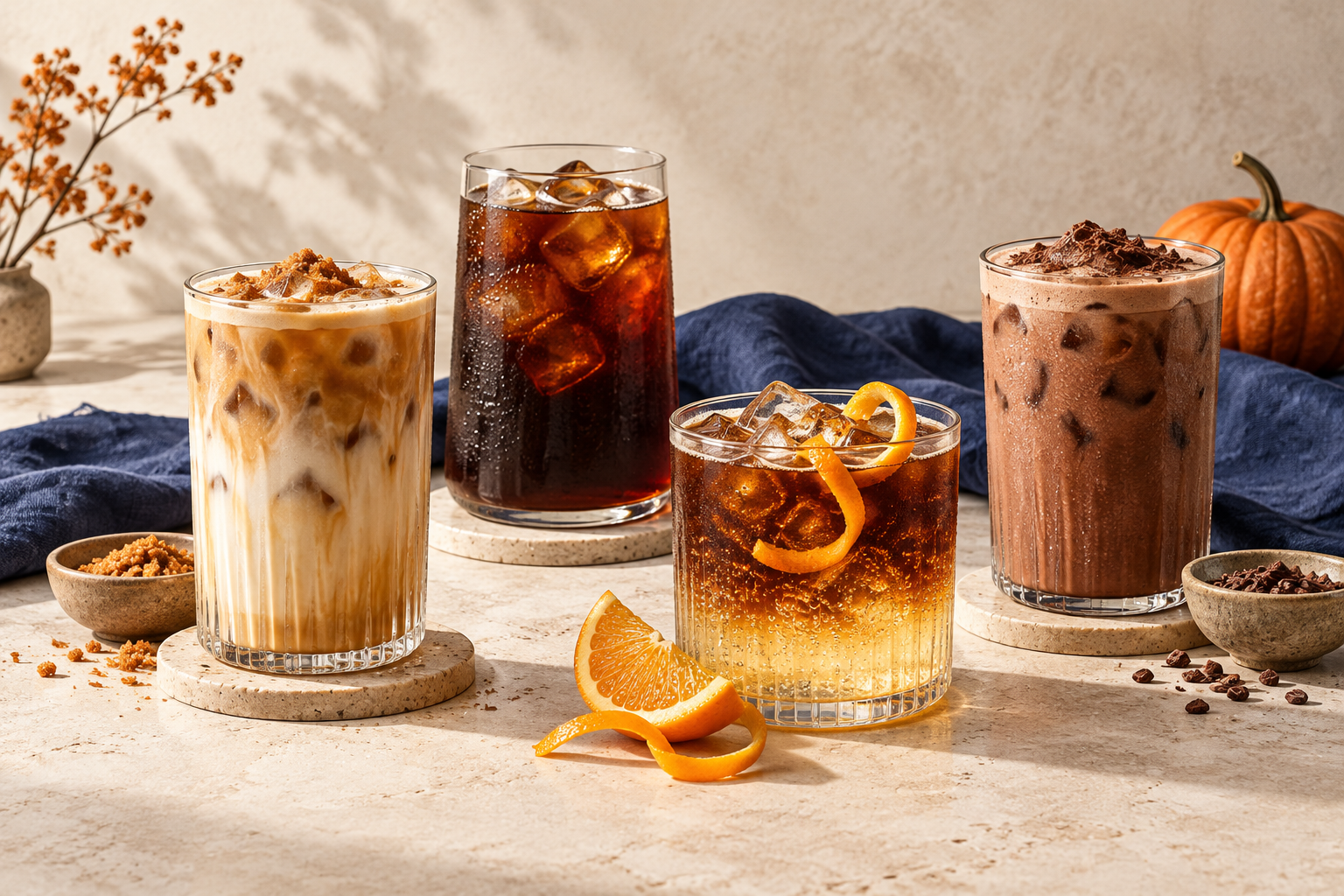
Four iced coffee ideas, with a Peruvian point of view
A distinctive iced coffee starts with a well-brewed roasted coffee and a deliberate balance of dilution, sweetness and texture. These four original recipe concepts are starting points for home trials and cafe development, not finished QORILUNA products.
Before you begin
Use roasted coffee, drinkable water and clean equipment. Brew your espresso to your normal recipe; for these trials, use approximately 35-40 g of espresso per serving. Ice changes dilution, so weigh it during development. Taste each drink before adding more sweetener.
These recipes have not been kitchen-tested by QORILUNA. Milk alternatives can change sweetness, texture and separation. Trial the exact ingredients you plan to serve.
1 / Panela iced latte
For one glass: 35-40 g espresso, 140 ml milk or suitable alternative, 5-10 ml panela syrup and 100 g ice. Mix the syrup into the espresso, put ice and milk in a glass, then add the coffee and stir.
For a trial syrup, dissolve 50 g panela in 50 g hot water and cool before use. This is a preparation ratio, not a validated shelf-life specification. The drink invites a conversation about panela, the unrefined cane sugar familiar in Latin America. It does not mean all Peruvian coffees naturally taste of panela.
2 / Cardamom coffee on ice
For one glass: 35-40 g espresso, 130 ml milk or alternative, 5 ml plain syrup, a very small pinch of ground cardamom and 100 g ice. Stir cardamom and syrup into the hot espresso, then combine with ice and milk. Fine-strain if the spice texture is distracting.
This is a contemporary flavour idea suited to a Dubai menu trial, not a claim to reproduce traditional Arabic coffee. Start with little cardamom so the spice complements the coffee rather than hiding it.
3 / Sparkling filter, citrus finish
For one glass: 80 ml brewed filter coffee cooled for immediate service, 100 ml chilled sparkling water, 100 g ice and one washed orange-peel twist. Add ice and sparkling water, pour in the coffee slowly, then express the peel over the glass. Try it without syrup first.
This is brewed coffee with sparkling water, not cold brew or espresso tonic. Compare coffees with different sensory profiles and record which remains expressive after dilution.
PERUVIAN ROOTS. A NEW COFFEE CULTURE. 6
QORILUNA JOURNAL / EDITORIAL COLLECTION
4 / Cacao iced coffee
For one glass: 35-40 g espresso, 140 ml milk or alternative, 3 g unsweetened cocoa, 5-10 ml plain syrup and 100 g ice. Make a smooth paste of cocoa, syrup and hot espresso; add it to the milk and ice, then stir thoroughly.
Use cocoa intended for food preparation. Check labels for milk, nuts, soy and other allergens; milk alternatives also have their own allergen profiles. Ingredients described as natural are not automatically suitable for everyone.
From a good idea to a repeatable drink
For cafe service, test preparation time, cost per glass, allergen communication and consistency. Use your food-safety procedures for cooling, storage and discard times; these recipes do not establish commercial shelf life. Do not attach wellness claims to an unvalidated recipe.
Can these work outside Dubai? Yes. Adjust sweetness and portions to your guests. Can they be made with green beans? Only after the coffee has been roasted and brewed.
Follow the QORILUNA Journal for the next chapter in coffee rituals.
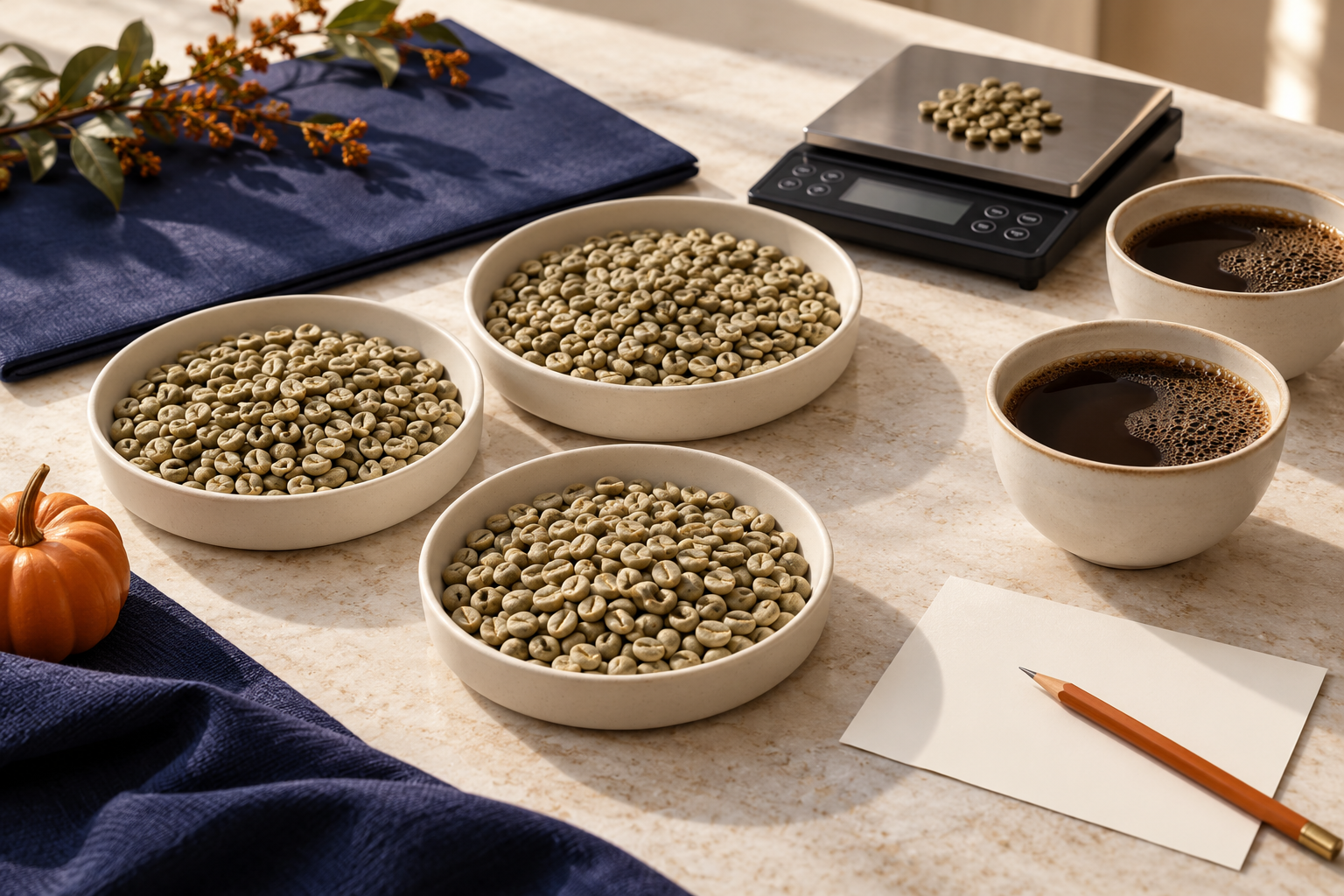
How to compare green coffee suppliers: a Dubai roaster's guide
Compare green coffee suppliers on the approved lot, the usable coffee you receive and the full delivered cost. A quotation per kilogram is only comparable when quality, quantity, delivery terms and responsibilities are aligned.
First, compare the same product
A cafe buying roasted beans and a roaster buying green beans are making different purchases. Training and espresso-machine support may matter to a cafe; they do not replace a roaster's need for representative green samples, lot specifications and supply clarity.
Ask each supplier to quote the same volume, quality specification and delivery point. State whether you want a coffee for a daily espresso, a filter feature or a blend component. Do not compare a small airfreighted sample with a consolidated sea shipment as though their logistics costs were identical.
Ask for evidence attached to the lot
Request variety, processing description, harvest information, available quantity, packaging and lot identification. Where relevant, ask for moisture, water activity and defect information, together with the method and date of assessment. If a score is advertised, ask who assessed the coffee and whether the result represents the lot being offered.
A producer card can introduce a coffee. An approved sample and a written lot specification make the purchase more concrete. Keep a reference sample so the delivered coffee can be compared with what was agreed.
Taste before committing to volume
Ask whether the sample is representative of the available export lot. Record your sample roast, preparation and sensory observations. Test the roast applications that matter to your customers, then confirm whether quality remains acceptable at the intended price.
A recognisable variety is not a substitute for cupping. Nor should a process description such as "72-hour fermentation" be treated as an automatic quality ranking. Buy the cup and the specification, not only the headline.
Build a delivered-cost comparison
Use: coffee price + origin preparation and transport + export documentation + freight and insurance + destination handling and clearance + storage or delivery + service fees. Keep tax cash flows separate from operating margin and have the responsible importer confirm their treatment.
Illustrative example only: a USD 10/kg coffee with USD 3/kg of allocated logistics costs reaches USD 13/kg before any other charges. Another offer at USD 12/kg including those same services could be cheaper. These figures are arithmetic examples, not current market quotes. Allocate fixed shipment charges over the actual shipment weight.
Put responsibilities in writing: exporter, importer, broker, receiving party and final delivery point. Confirm the Incoterm, named location, payment milestones, inspection arrangements and response if the delivery does not meet the specification. Port arrival is not automatically delivery to your roastery.
For Dubai, ask who will clear the cargo and who is authorised to receive it. For another destination, rebuild the destination section rather than copying UAE assumptions. Freight and regulatory details belong to the actual route and contracting parties.
Three questions before the order
Is the lowest price always best? No; compare the same product and cost scope. Should the supplier promise every support service? Only contracted services count.
How large should the first order be? Enough for the agreed trial or confirmed demand, with a clear plan for using it.
Request QORILUNA's current Peruvian green coffee information, representative samples and a quotation with a clearly defined cost scope.
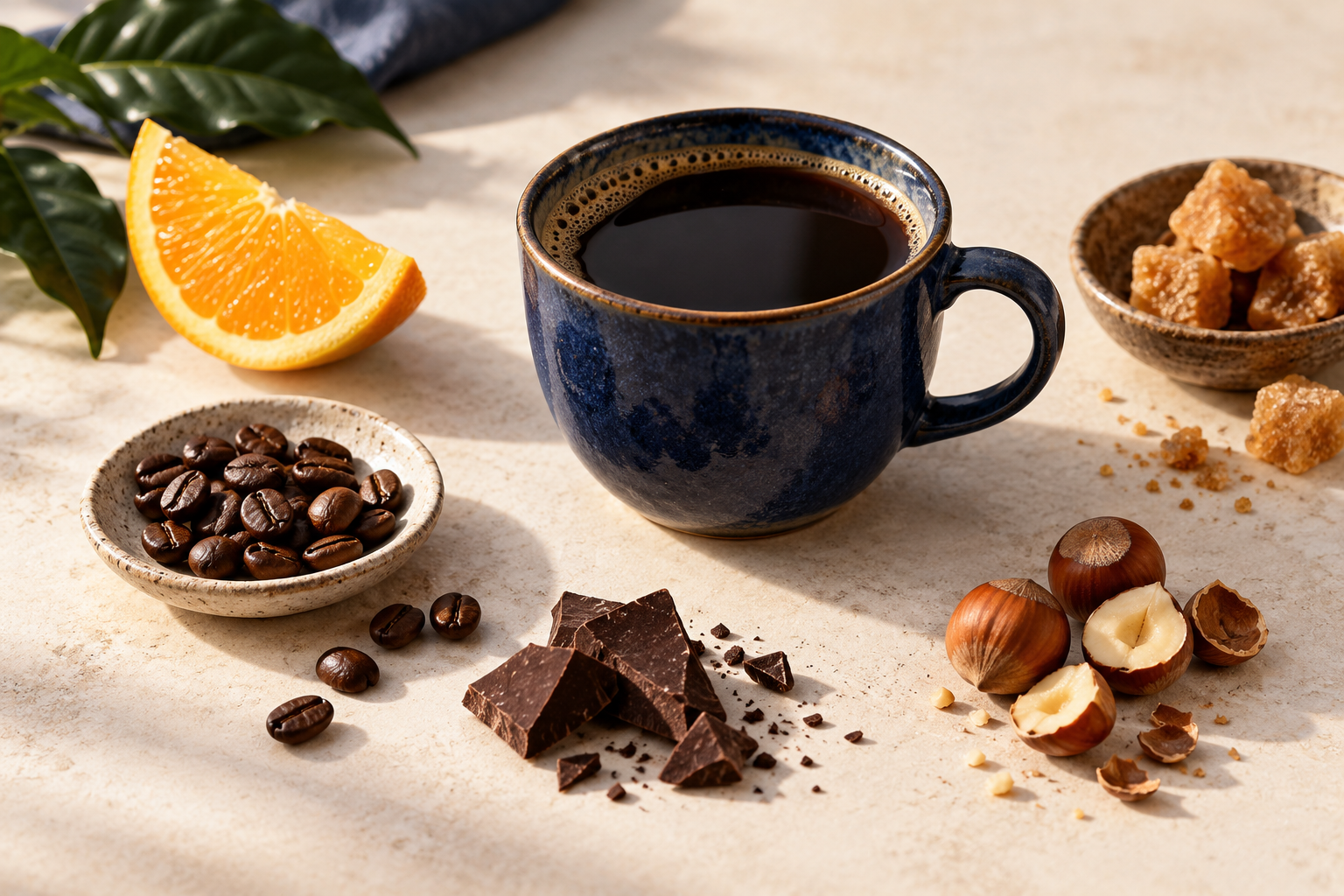
Coffee flavour, decoded: what the tasting notes really mean
Coffee tasting notes describe sensory impressions. In a plain coffee, a note such as orange or chocolate does not by itself mean that ingredient was added. The coffee, roast, water and brewing method all influence what you perceive.
A vocabulary, not a secret ingredient list
A description of maple, chamomile or chocolate gives you a reference point. It is closer to saying "this reminds me of orange" than promising the exact flavour of orange juice. Added flavourings are a separate product choice and should be identified in the product information.
World Coffee Research's Sensory Lexicon gives assessors a shared way to describe aromas, flavours and texture. That shared vocabulary helps people compare observations; it does not make every drinker's experience identical. [L]
Separate sweetness, acidity and body
When you taste, ask three simple questions: what does the aroma suggest, how does the cup feel, and what stays after a sip? Sweetness may remind you of sugar or fruit. Acidity is a sensory impression that can feel lively or sharp; it is not a health claim. Body describes texture, such as a lighter or more rounded mouthfeel.
You do not need to identify a rare fruit to enjoy the coffee. Start with broad impressions such as fruity, floral, nutty or chocolate-like, and become more specific only when a comparison feels useful.
Read the process alongside the variety
Washed coffee is prepared after fruit layers are removed; natural coffee dries with the cherry intact; honey processing retains some mucilage after pulping. "Honey" describes processing, not added bee honey. Those choices can shape the profile but do not fix its quality or guarantee a particular flavour. [P]
Ask what the producer actually did when a label uses terms such as anaerobic or double fermentation. A name alone does not explain the entire method. For a buyer, a sample and a clear process description are more useful than a dramatic label.
The roast and recipe complete the picture
Roasting transforms green coffee into the aromatic product used for brewing. Roast choices influence the balance of flavours you experience. A light or dark label is only a starting point: ask the roaster about the intended use and taste the result.
Try the same roasted coffee black and with your preferred milk. Then compare a normal hot serving with an iced version. For a Dubai cafe team, this is a practical way to see whether the menu description still makes sense in the drinks actually sold. Do not assume a note prominent in filter will stand out equally in every latte.
A simple tasting exercise
Brew two coffees with the same equipment and record the dose and water. Taste them side by side, first warm and then a little cooler. Write one aroma word, one texture word and one finish word for each. Change one brewing variable at a time if you want to explore the result.
Can tasting notes differ between people? Yes. Should a score replace the description? No; the description helps you understand character, while a score needs its assessment context. Does a flavour wheel show ingredients? No; it organises sensory language.
Explore QORILUNA's coffee cards to compare reported tasting notes and processing details, then request a representative sample.
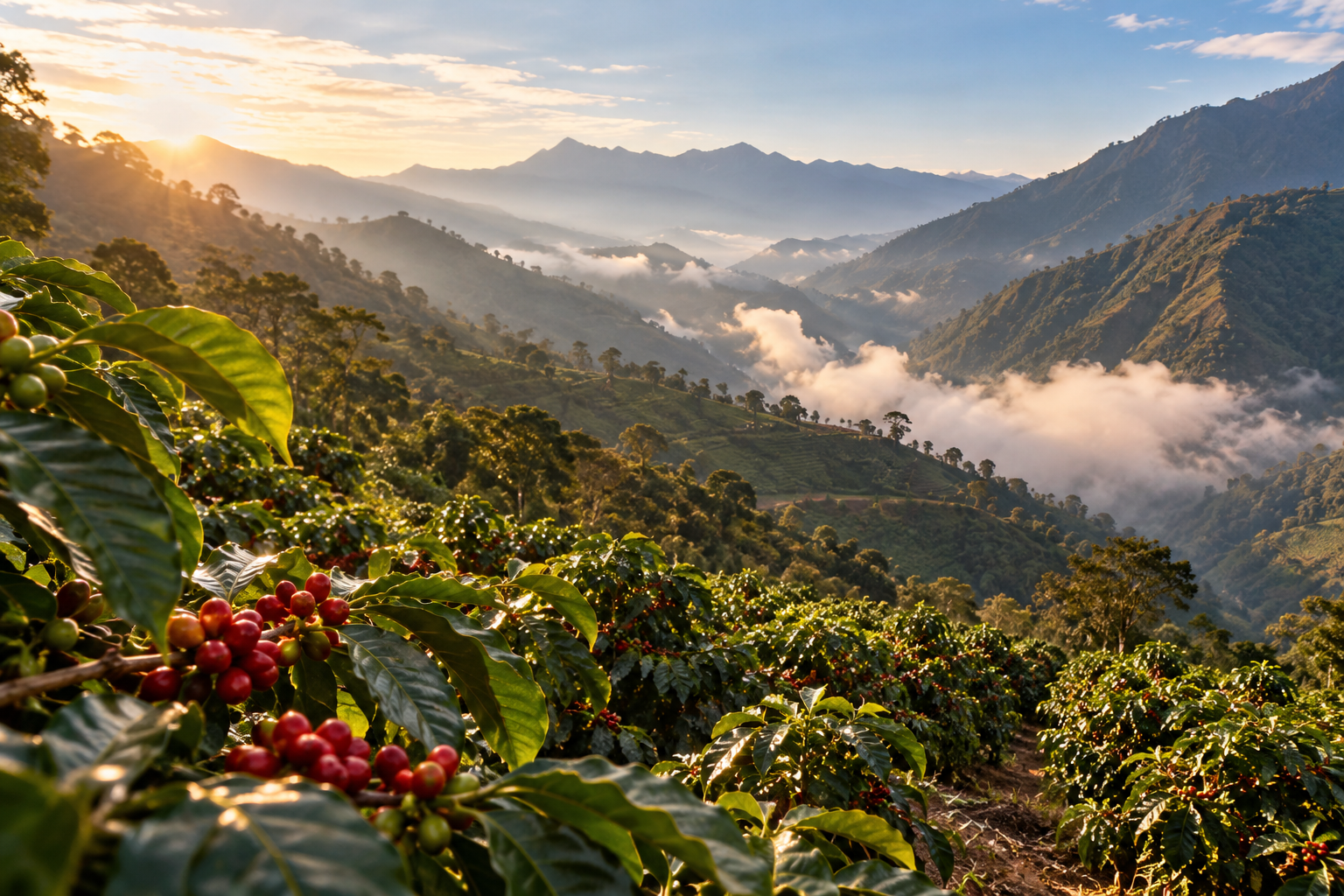
Peruvian coffee has more than one flavour: a guide to buying by lot
Peruvian coffee is an origin category, not a single flavour profile. To understand a coffee, read its location together with variety, processing, harvest and sensory information, then evaluate the actual lot.
Start with a place, then ask for detail
A country name gives a coffee context. Region and growing location make that context more useful, but neither tells the entire cup story. Two coffees from the same area may differ in variety, harvest conditions, processing and preparation.
For a Dubai roaster introducing Peru, the stronger conversation is not "all Peruvian coffee tastes like this". It is "here is this lot, here is how it was prepared, and here is what the sample offers for your menu". That distinction remains useful in any destination market.
Altitude is a clue, not a league table
World Coffee Research identifies environment, altitude, weather and farm management among factors that can affect coffee quality. A variety's performance depends on its growing context. A higher altitude figure, on its own, does not guarantee a better coffee. [W]
Ask how altitude is recorded and whether it refers to the specific lot. Compare the supplied figure with the rest of the information, then let the sample inform the decision. Treat a missing detail as a question to resolve rather than filling the gap with an assumption.
Variety gives the story another dimension
Typica, Catuai, Obata and Geisha are names a buyer may encounter in a Peruvian offer. Their names help identify what is being proposed, but they should not become a shortcut for the result in the cup. Confirm identification with the supplier and ask for the processing and assessment information attached to that lot.
When considering a distinctive variety, test the commercial application too. A featured filter coffee and a coffee intended for a house espresso need not meet the same brief or be priced the same way.
Use real examples carefully
QORILUNA's supplied producer information currently describes a washed Typica from Echarate, Cusco, at 1,930 m with a reported score of 84.25 and notes of orange, panela, maple and chamomile. It also describes a honey Geisha from Oxapampa, Pasco, at 1,600 m with a reported score of 86.25 and notes of orange, panela, maple and blueberry.
These are examples of two supplied descriptions, not an independent tasting comparison or a current-stock guarantee. Their assessment dates, methods and correspondence to the offered export lots must be verified before purchase. The useful contrast is their documented identity and process, not a claim that one region is superior.
Make the origin story earn its place
Before featuring a coffee, gather the lot reference, harvest information, available quantity and a representative sample. Ask which names and images you have permission to publish. Describe certifications only when evidence covers the specific coffee and claim.
For the menu, choose a short explanation that a guest can understand. For the buying file, keep the fuller specification. Origin can make a coffee memorable; clear evidence makes the story credible.
Questions about Peruvian coffee
Does Peru produce only one type of coffee? No; evaluate the region, variety and lot.
Is Geisha always the better purchase? Not automatically; compare the actual cup, price and intended use.
Can green Peruvian coffee be brewed directly? For conventional coffee brewing, it must first be roasted.
Explore QORILUNA's Peruvian selection and ask for the current specification and a sample of the lot that interests you.
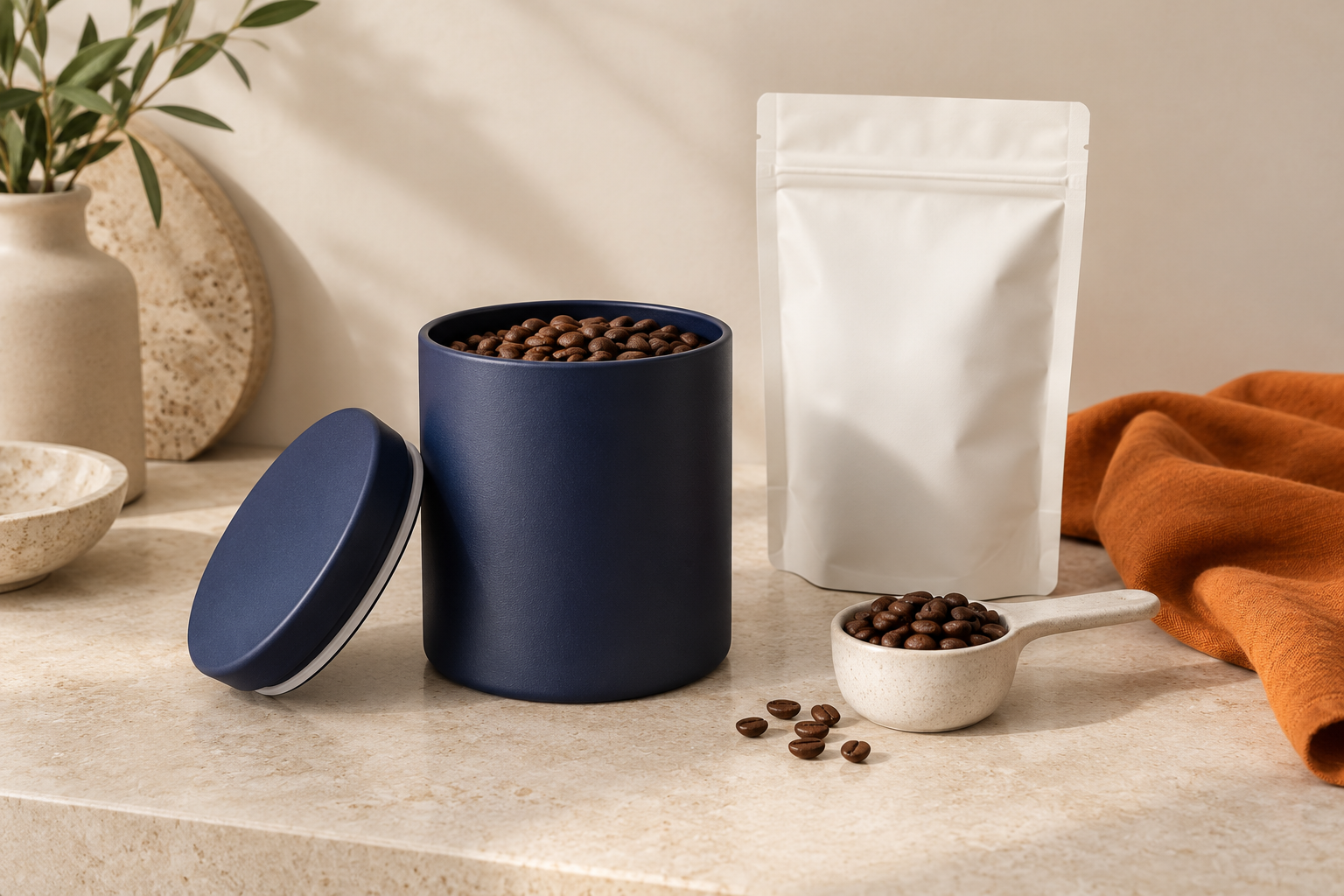
A better place for your beans: storing roasted coffee in Dubai and beyond
For everyday use, keep roasted coffee tightly sealed in a cool, dry, dark place, away from heat and strong odours. Buy a manageable amount and grind near brewing time. Hot-climate storage makes the location of the bag especially important.
Choose the cupboard before the container
The National Coffee Association highlights air, moisture, heat and light as risks to roasted coffee freshness. Choose a sealed, opaque container or a suitably protective resealable pack and keep it away from sunlight and cooking heat. Grind only what you need for the next brew. [S]
In a Dubai home, look at the real location rather than the label "pantry". A cupboard beside an oven, a sunny counter or a bag left in a car may expose the coffee to avoidable heat. Apply the same test in any city: is the storage spot stable, shaded and dry?
Match the purchase to your routine
Work backwards from your usual coffee dose. If you use 18 g each morning, 250 g provides about 13 servings. Two people using 18 g each day will finish that amount in about seven days. These are quantity calculations, not promises about the best freshness window.
A larger bag can make sense for frequent use, but a small household may prefer buying less more often. Ask the roaster for guidance on when to start brewing that coffee, and follow its pack instructions. There is no one universal "best day" for every roast and brewing method.
Make opening the bag a small ritual
Write the opening date somewhere easy to see. Close the pack after weighing your dose, and use a clean, dry scoop if you need one. Keep the bag away from spice jars and cleaning products. Do not make the grinder hopper your long-term display jar.
If several coffees are open, keep each clearly labelled. A simple note with name, roast date, opening date and preferred recipe helps you notice what you enjoy while reducing forgotten bags. That habit is useful whether your kitchen is in Dubai, Paris or elsewhere.
Keep freezing deliberate
Freezing is an option for surplus roasted beans, provided the packaging keeps out moisture and odours. A practical approach is to divide beans into sealed portions, so the whole supply is not repeatedly opened. Let a sealed portion reach room temperature before opening if thawing it. Storage practices and packaging matter; freezing is not an automatic quality guarantee.
For your daily bag, a suitable cupboard is usually simpler than moving it in and out of the fridge. If you choose cold storage, consider condensation and follow the supplier's instructions. Do not treat a test on one roast as a rule for every coffee.
Freshness is not the same as food safety
A coffee can lose aroma without a label proving the exact moment it becomes less enjoyable. If you notice mold, moisture damage or contamination, discard it. This article does not establish a shelf life for added-ingredient coffee products; a future blend containing other ingredients will need its own storage instructions.
Does this advice apply to green coffee wholesale sacks? No. Green coffee storage needs a separate specification and handling plan. Should you buy the biggest bag? Buy the amount your routine can use and protect consistently.
Keep exploring the QORILUNA Journal for simple ways to make your daily coffee more considered.